
When AI Becomes a Time Suck
I sat down last Tuesday to knock out a quick social caption. Fifteen minutes, tops. That was my plan.
Forty-five minutes later I had eleven versions, not one of them meaningfully better than the second, and that strange feeling that I had been very busy but hadn’t actually finished a single important thing.
Sound familiar?

The Questions AI Shouldn't Answer
Last week I sat down to write a difficult email.
You know the kind, the one you draft in your head for days before your fingers ever touch the keyboard. I had let someone down. Not catastrophically, but enough that it needed a real acknowledgment, not a breezy "so sorry, crazy week!"
So I opened a blank email. And then, almost on reflex, I opened a second tab to ask AI to help me find the words.
And then I stopped.
Because here is what I realized: if AI wrote my apology, I wouldn't really have apologized. I would have outsourced the one part that actually mattered - the wince. The sitting-with-it. The slow, uncomfortable work of finding my own words for something I wish I hadn't done.

The Questions AI Can’t Answer
The other morning, a client sat across from me (well, across from me on Zoom) wrestling with a decision she'd been circling for months. Should she shut down the business she'd poured seven years into, or give it one more push?
She'd done the work. Spreadsheets. Projections. Three-year models. And then, a little sheepishly, she admitted she'd spent an hour the night before asking AI what she should do. "It gave me this beautiful pros-and-cons list," she said. "Better than anything I would have written. And I still have no idea what to do." I watched her shoulders drop as she said it, like the tidy list had somehow made the decision harder instead of easier.
Of course it had. She was asking the one kind of question AI cannot answer.
Chasing Time Affluence in an Over-Scheduled World
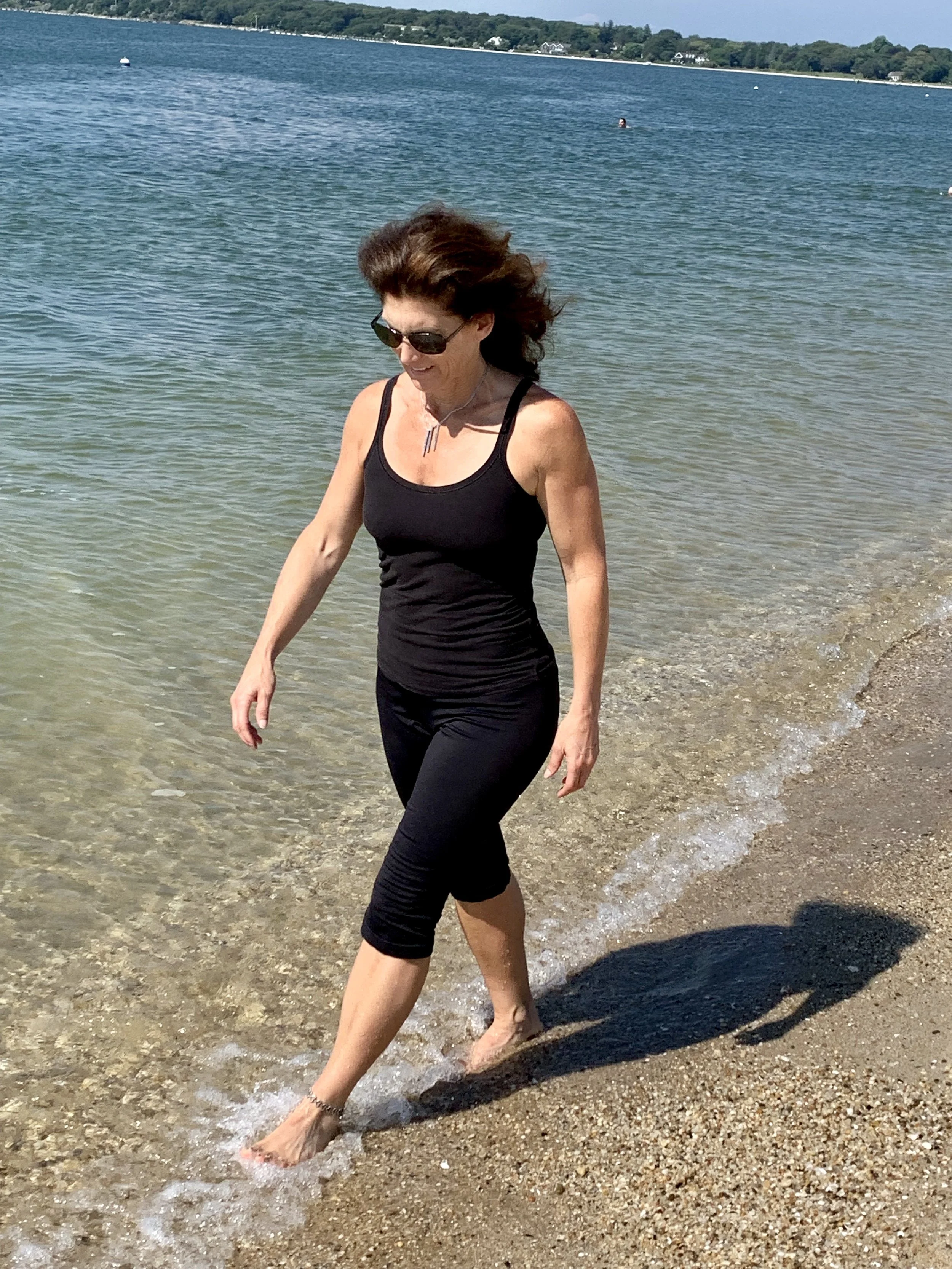
When I was a kid, we spent a week or so each summer at my aunt and uncle's house on Fire Island. It was a different kind of place, and maybe more importantly, a different kind of time.
You ditched your shoes when you got off the ferry – you wouldn’t need them for the rest of the week. The sand paths replaced roads, bathing suits replaced clothing, and plans…there really weren’t many.
We’d wake up and pull on yesterday’s swimsuit, still a little damp, and ease into the day. Breakfast happened when it happened. Then we’d wander. Bay beach in the morning, ocean in the afternoon, back home for something to eat when we were hungry, not when the clock told us it was time.
At some point, someone would suggest a walk to the store. It was about twenty minutes each way, and no one questioned whether it was “worth it” for an ice cream cone. The walk was part of it. The wandering was part of it. The entire day unfolded without urgency.
There was nowhere to be and no schedule to keep, and yet the days felt full. Time didn’t just slow down on Fire Island. It expanded.
I’ve been chasing pockets of what I’ve come to think of as the “Fire Island Feeling” ever since.

Apparently, I’m Not Done Building Things
I really thought I was done.
After building and selling multiple companies, I had a very clear picture of this next chapter of life. It was going to be quieter. Simpler. I would coach interesting, accomplished women, spend more time writing, keep lifting heavy things, and drink good coffee. That was going to be enough.
And to be clear, it is enough.
But here’s what I didn’t quite account for: the founder mentality doesn’t turn off just because you decide it should. It’s not a switch. It’s more like a wiring.
The Missing Rulebook: Modern Professional Etiquette
Years ago, my mother said something that has stayed with me. I don’t recall exactly where we were or what we were doing, but I vividly remember her comment. She said, “I feel really sorry for your generation.”
At the time, I was a young woman, working hard, starting a family … all the things. I was busy and stressed, but still didn’t understand her comment.
“Why?” I asked.
“Because my generation worked incredibly hard to throw out the rulebook for women – all the expectations and rules about what was acceptable and allowed. But,” she said, “we never gave you a new rulebook. And now you are all running around, trying to do everything.
It seems to me that we’ve done a similar thing at work.

Why “Networking” Has Never Worked for Me
There are certain words that are perfectly acceptable in business and still make me cringe a little.
Networking is one of those words.
I understand what it means. I get that your network matters. And yet, when people talk about “building their network” or, worse, “working their network,” I think, nope, not me. I don’t want to “work” my network.
I think because it feels transactional. Instrumental. As though relationships are tools to be pulled out when needed. When relationships are framed as a network, there’s often an unspoken question hovering in the background: What is this relationship for?
That framing never quite sat right with me, so I recently stopped using the word. Instead, I talk about the people in my orbit.

Why I Never Got My Black Belt
For five years, I studied Shotokan karate. My sensei was an incredibly strong German woman who sported a blond ponytail and could take you with a sharp word or a single roundhouse kick. But step outside of her karate uniform and second-degree black belt, and she was warm, funny, and approachable. We became friends and would sometimes talk about her business.
“When do you tend to lose students?” I asked one day.
“Either within the first six months after they start,” she said, “or when they are brown belts.”
Brown belt is the last step before black belt. And earning a black belt in karate is a big deal. It means you have achieved a level of mastery over the Shotokan basics. It is a badge of honor and, though it doesn’t mean your training is “complete,” it is a tremendous accomplishment.
“That doesn’t make any sense at all,” I said. “People quit right before they’ve earned their black belt?” I was incredulous. The years and years of hard work it takes to earn a brown belt, and then, with the ultimate prize in sight, people walk away? That’s when they quit? It made no sense to me.
Until I achieved my brown belt. And then quit.
Arnold’s 800 Reps and the Rest of Us
I’ve been thinking about the tension between remembering that less is more and rest, recovery, and stepping back are not signs of weakness but essential parts of the cycle. That some days, the answer truly is to close the laptop, take a walk, stretch, breathe, give yourself a minute.
But.
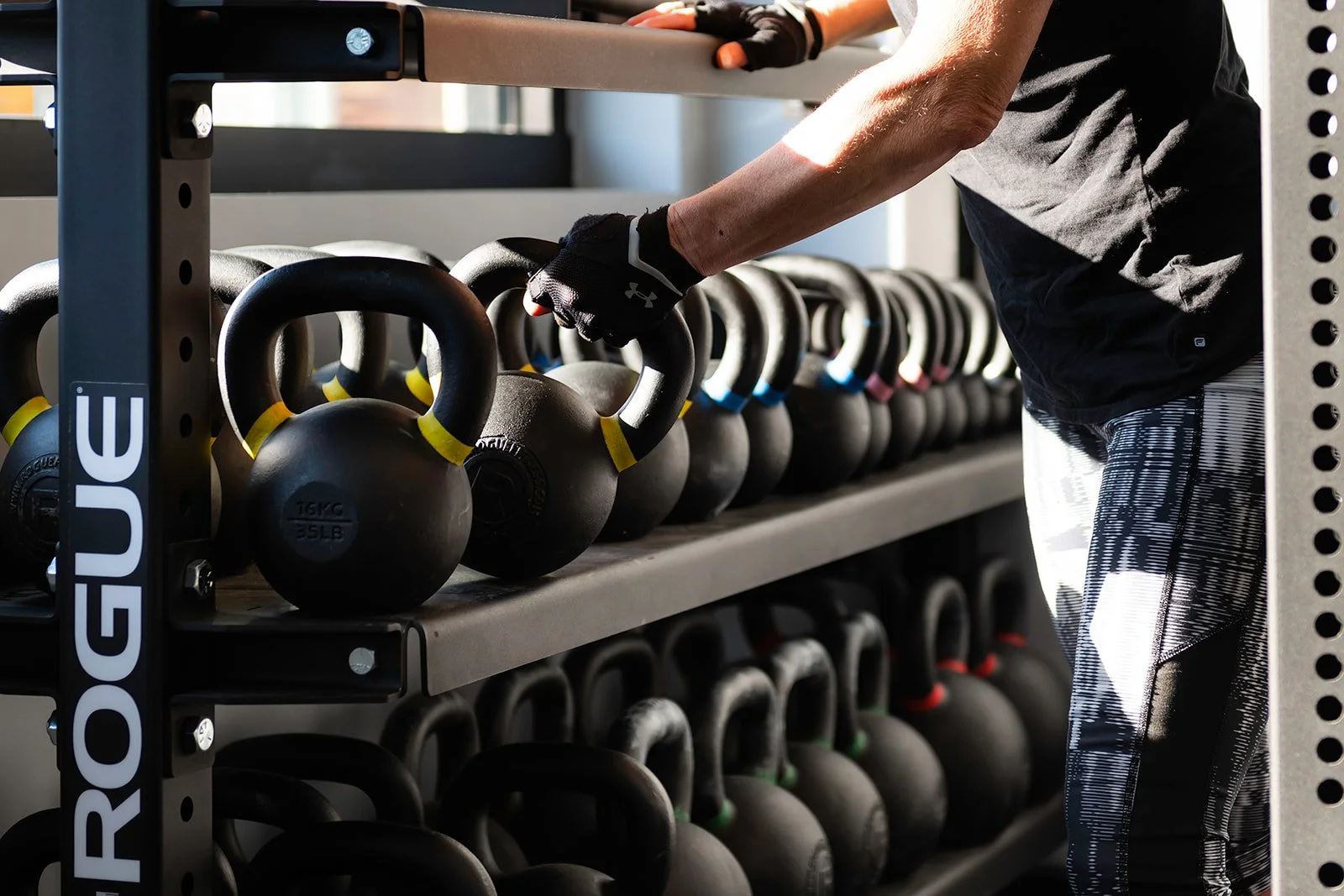
Other days, we need the opposite reminder: that doing the work is essential. That meaningful accomplishments don’t float down from the heavens and land in our laps, and that waiting for your lucky break will rarely get you where you want to go. Pretty much anything worthwhile is built with focus, effort, and the unglamorous showing-up-again-and-again kind of consistency most people never see.

Should I Stay or Should I Go?
If you’ve been an entrepreneur for more than five minutes, you’ve probably heard both of these pieces of advice:
Stay the course.
Pivot when it’s not working.
It’s like a never-ending tennis match of wisdom being lobbed across the net, back and forth, back and forth. One side insists that success goes to those who hang in there, who refuse to quit, who keep grinding until the market catches up. The other side says the real winners are the ones who see the writing on the wall early and make the bold pivot fast.
So which is it? Should you double down or walk away? Stay the course or change direction?

Should I Drink The Coffee?
Every Sunday morning, you’ll find me at my favorite table at my favorite coffee shop, doing what I call my Sunday morning planning. It’s my ritual, the one that grounds me for the week ahead (I’ve written about it before, if you’re curious you can find that post here).
By now—three years into this ritual—I know most of the baristas, and they know me. They know my usual Sunday order: small, dark roast, black please. That first cup is one of my greatest pleasures. Honestly, thinking about it is often what gets me out of bed on a Sunday morning.
This morning, though, when they handed me my cup, I took a sip and discovered it wasn’t black. It was milky.
And so came the question: Should I just drink the coffee?

Pick Up the Dustball
Walking up the stairs in my house the other day, I noticed a ball of dust and dog hair in the corner of a step. I saw it out of the corner of my eye and kept walking. Later that afternoon, I noticed it again. And then again the next morning. And one more time before I finally picked it up.
Now in my defense, the first time I had walked up the stairs, I had something in my hands and the second time, I was on my way to do something. But, if I’m going to be really honest, with you and with myself, I just didn’t feel like bending over and picking up the dustball.

Buzzyness vs. Busyness: A Misspelling That Gets It Right
I was writing an email to a client this morning and stumbled over the right way to spell busyness. It just looked wrong to me as I wrote it, so I did a quick Google search and discovered that one of the most common misspellings of the word busyness is buzzyness. That made me laugh because it seems exactly right: when I’m caught up in my busyness, I’m not grounded, focused, or calm. I’m buzzing.

2 Soul-Sucking People You Need to Avoid
Years ago, I read a novel about vampires and demons.
In this story, demons were beings who fed on drama, intrigue, and the suffering of others. The smart ones chose professions that gave them a steady diet of emotional upheaval—homicide detectives, emergency room doctors, crime reporters. Their needs were regularly met by the natural chaos of their work, so they functioned fairly well in the world. But the others?

Discipline Isn’t My Answer
A client said something to me recently that made me pause.
“You’re so disciplined,” she said.
She meant it as a compliment, and I received it as one. But I also pushed back because I don’t think of myself as disciplined.
I don’t white-knuckle my way through early mornings. I don’t force myself to do things I hate. I don’t subscribe to hustle-for-hustle’s-sake.
Instead, I’ve built routines—small, intentional ones—that make me feel better, move me forward, and (this is important) that I actually enjoy.

The One Rule That Ends Any Argument in Our Marriage and Business
As Eric and I launch our latest venture, I’m reflecting on what has changed since the New York Times featured us in an article titled Joint Venture Couples Live By Special Martial Rules. That was more than 20 years and four businesses ago. What have we learned? What has changed?
After more than a quarter of a century during which I’ve introduced Eric as my husband and business partner, we’ve developed some very specific strategies that help us work and live together happily and productively.
Here’s the top 10 list.

What if Fear Isn’t the Best Motivator?
When I was a teenager, my dad used to bribe my friends and me to stay home on a Saturday night.
"Hey kids, how about we order pizza? Chinese food? Should we make a fire in the fireplace and you guys can just hang out here?" he'd say.
It was a lovely gesture — and honestly, it often worked. My parents worked hard to make our house a place where my friends were always welcome.
But the truth is, these warm invitations from my dad came in large part from a place of fear. He wanted us home, safe in the living room. He didn’t want us out on the roads, at parties, or anywhere he couldn’t protect us.
I was raised to believe that fear is the best motivator.

The Problem With Your Five-Year Plan
About 1 million years ago, I was wrestling with what I believed (at 23) to be the biggest, most important decision of my life. The weight of it felt crushing. So, naturally, I got on a plane and flew to Florida to talk it through with the two people who knew me best and who also happened to be my biggest cheerleaders: my parents.
We spent the weekend dissecting every angle. Pros, cons, potential consequences, imagined outcomes. I repeated the same thoughts over and over. I had an answer to every question they asked and an objection to every suggestion they made. As always, my parents were insightful and patient. Exceptionally patient. Even as I looped through the same arguments for the fifth or fiftieth time.
Finally, at one point, I threw my hands up and said in frustration, “You don’t understand! This is the biggest decision of my life!”

The Coaching Paradox: Too Busy for Coaching? That might be when you need it most
Nearly three decades ago, I was taking a walk with my uncle. At the time, he was a seasoned entrepreneur, and I was more like a fledgling entrepreneur. We were talking about the typical challenges of the entrepreneurial journey – I’m sure I was complaining about how incredibly busy I felt all the time, running from meeting to meeting, answering a daily avalanche of emails – all the flotsam and jetsam of early entrepreneurial days.
He offered advice that I have since heard in a multitude of ways from a multitude of sources: don’t let the urgent take over the important. Yes, yes, I thought, that is precisely the problem.

You Don’t Ask, You Don’t Get
Last week, I sent an email to a high-profile thought-leader asking if I could interview her for my new book. It was a reach -- she’s a bestselling author, hosts one of the most popular podcasts in the pod-o-sphere and is clearly a very, very busy person. I almost didn’t bother sending the email.
But then I remembered a lesson that we have tried to teach our kids: you don’t ask, you don’t get. And it got me thinking about how often we talk ourselves out of asking for something we want.